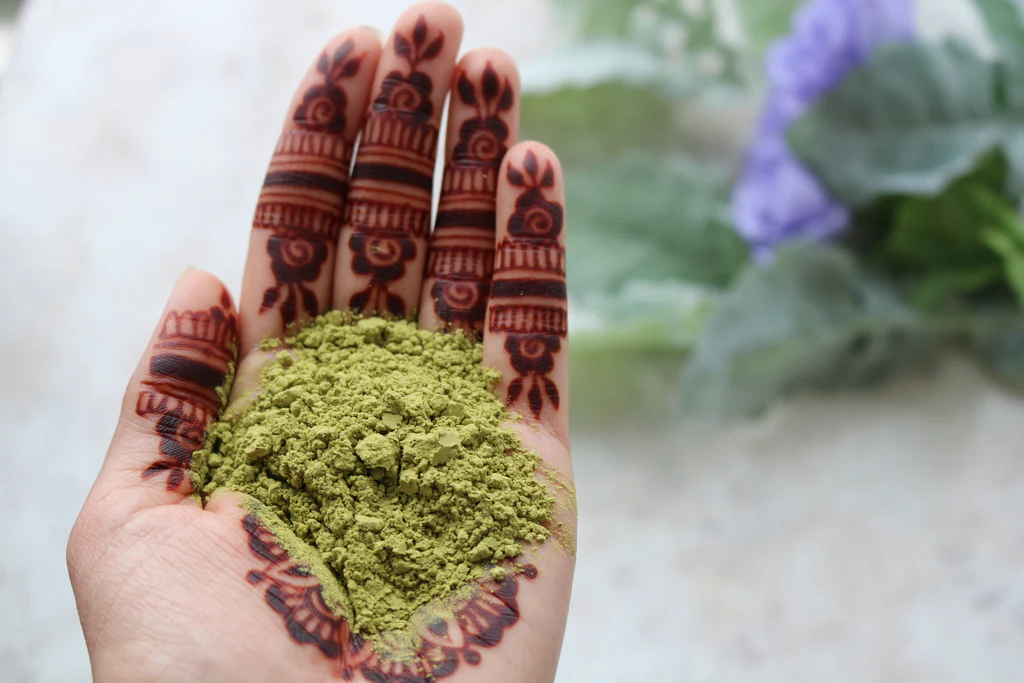
Henna tattoo in Morocco , also known as “Hanna tattoo” . is a traditional form of temporary body art made from the powdered leaves of the henna plant (Lawsonia inermis). When mixed with water, lemon juice, or essential oils, the paste releases a natural dye that stains the outer layer of the skin.
Unlike permanent tattoos, henna does not penetrate deeply into the skin. Instead, it creates a temporary stain that gradually darkens over 24–48 hours and fades naturally within 1 to 4 weeks, depending on skin type and aftercare. This makes it a popular and safe option for people who want body decoration without long-term commitment.
Henna tattoo tour in Morocco, is not just cosmetic , it is deeply tied to identity, tradition, and spirituality.
2) History of Henna tattoo in Morocco
The use of henna dates back over 5,000 years and is believed to have originated in ancient North Africa and South Asia. While it was famously used in ancient Egypt, henna spread across the Maghreb region, including Morocco, where it became an essential part of Amazigh (Berber) and Arab cultural practices.
In Moroccan history, henna has always been associated with rituals and protection. Rural communities, especially Amazigh tribes, developed unique styles and symbolic patterns that differ from other regions like India or the Middle East.
Today, henna remains a living tradition in Morocco , used in both modern cities and remote villages ,bridging the past with the present.
3) Meaning & Symbolism of Moroccan Henna
Henna tattoo in Morocco carries deep symbolic meanings that go far beyond decoration. Each design, placement, and occasion can represent something significant:
- Baraka (Blessing): Henna is believed to attract positive energy and divine blessings
- Protection: Many designs are used to protect against the evil eye (عين الحسود)
- Fertility & Prosperity: Especially important in wedding rituals
- Joy & Celebration: A symbol of happiness and good fortune
- Spiritual Connection: Often used in rituals to mark important life transitions
For example, brides often receive elaborate henna designs to symbolize a prosperous and protected marriage. The darker the stain, the more it is traditionally believed to reflect love and happiness.
4) Popular Moroccan Henna Designs :
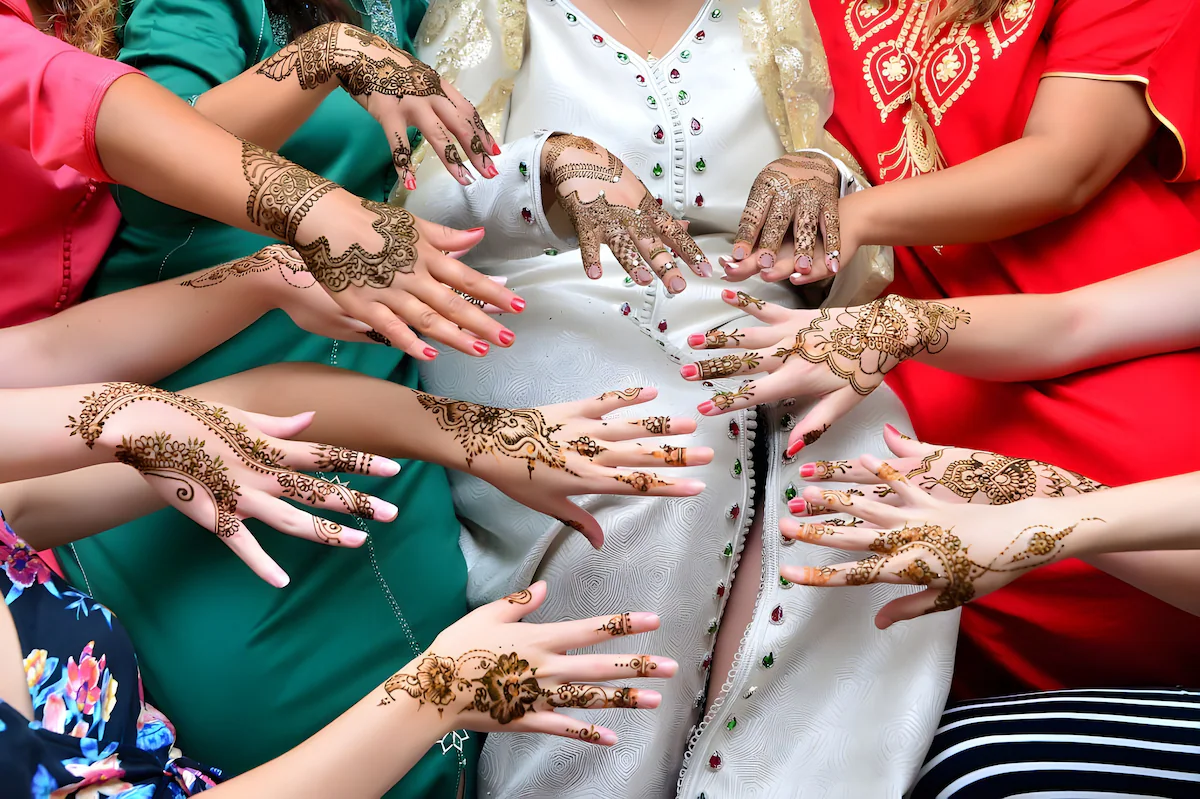
Moroccan henna designs are known for their distinctive style, which sets them apart from other traditions such as Indian or Middle Eastern henna. They are typically characterized by bold lines, structured patterns, and symbolic elements rather than overly intricate or densely filled designs. These patterns often reflect Morocco’s rich artistic heritage, drawing inspiration from traditional architecture, carpets, and Amazigh (Berber) symbols that have been passed down through generations.
One of the most common styles found in Moroccan henna is geometric design. These patterns include shapes such as diamonds, triangles, and straight lines arranged in symmetrical compositions. They are heavily influenced by Moroccan mosaic art, known as zellige, and are especially prominent in rural and Amazigh communities where symbolism plays an important role. Each shape can carry meaning, representing protection, balance, or harmony in life.
5) When Is Henna Used in Morocco?
Henna plays a central role in Moroccan celebrations and important life events, and it is never applied randomly. Instead, it is deeply connected to meaningful traditions that mark joy, transition, and spiritual significance within society. One of the most important occasions is the wedding ceremony, particularly the famous Henna Night, which takes place shortly before the mariege ( الزواج) . During this special evening, the bride’s hands and feet are adorned with intricate and symbolic designs in a festive atmosphere filled with music, dancing, and the presence of close family and friends. This ritual is not only about beauty but also about blessing the bride with happiness, protection, and prosperity in her new life.
Henna is also widely used during religious celebrations, especially during holidays such as Eid. On these occasions, women and young girls apply henna as part of their preparation for the festivities, enhancing their appearance while embracing tradition. It is seen as a way to express joy, elegance, and cultural identity, making henna an essential element of celebration across generations in Morocco.
6) Cunclusion : Henna Tattoo Tour in Morocco .
Henna tattoo Tour in Morocco is a timeless art that blends culture, spirituality, and beauty. From ancient traditions to modern interpretations, it continues to play a vital role in Moroccan society.
Whether you’re visiting Morocco or simply exploring its culture, henna offers a unique glimpse into a rich and meaningful heritage.